

Discover the delightful simplicity of this exquisite vegan olive oil cake, a true culinary gem that promises to captivate your taste buds. Perfectly moist and exceptionally tender, this cake boasts a unique flavor profile that beautifully balances sweet and subtly savory notes. Ready to enjoy in approximately one hour, it’s an ideal treat for any occasion, offering a sophisticated twist on traditional baking.
The star ingredient, extra virgin olive oil, infuses this cake with its characteristic delicate, fruity, and slightly herbaceous undertones. This not only contributes to a remarkably light and airy crumb but also ensures a beautiful golden crust. Its texture offers a delightful middle ground, richer than a classic sponge cake yet lighter than a dense pound cake, creating an unforgettable sensory experience.

This incredibly versatile cake shines whether served for a casual breakfast, an elegant brunch, or as a satisfying snack. It pairs wonderfully with your morning coffee or afternoon tea, enhancing any moment with its refined taste. Beyond everyday enjoyment, its understated elegance makes it a perfect choice for special celebrations and holidays, including Christmas, Easter, and Mother’s Day, or any gathering where you want to impress with minimal effort.
For those seeking other delightful vegan baking options for special occasions, consider exploring our popular Vegan Lemon Loaf, the comforting Vegan Apple Cake, or the wholesome Vegan Carrot Cake. If you’re hosting a brunch, our crowd-pleasing Vegan Monkey Bread and the decadent French Toast Casserole are always guaranteed hits, ensuring a memorable spread for your guests.
You’ll be amazed by how effortlessly this cake comes together. Requiring just one mixing bowl and less than an hour of your time, it’s a fuss-free recipe that yields impressive results. Present this exquisite cake at your next social event, and prepare for it to be the star of the show, earning rave reviews from everyone who tastes it!
Recipe Highlights: Why You’ll Love This Vegan Olive Oil Cake
- Effortlessly Light and Fluffy: Achieves a wonderfully airy and tender crumb, making every bite a delight.
- Intriguing Flavor Profile: A unique blend of sweet and herbal notes creates a sophisticated and memorable taste.
- Superior Moisture Retention: Stays incredibly moist and fresh for days after baking, thanks to the inherent properties of olive oil.
- Completely Vegan-Friendly: Made without any dairy or eggs, perfect for those with dietary restrictions or ethical preferences.
- Remarkably Simple to Make: Features straightforward steps, making it accessible even for novice bakers.
- Utilizes Basic Pantry Ingredients: Requires no obscure or hard-to-find items, relying on everyday staples.
- Convenient One-Bowl Preparation: Minimizes cleanup, streamlining your baking process for a hassle-free experience.
- Ready in Under an Hour: Enjoy a freshly baked, gourmet-quality cake with minimal waiting time.
- Versatile Serving Options: Delicious plain, dusted with sugar, or adorned with a zesty glaze.
What is Olive Oil Cake? A Mediterranean Delicacy
Olive oil cake is a truly distinctive and flavorful dessert that, as its name suggests, utilizes olive oil as the primary fat in the recipe instead of traditional butter. This simple substitution is what gives the cake its signature moist texture and a nuanced flavor that sets it apart from other baked goods. Specifically, using high-quality extra virgin olive oil imparts a unique savory, subtly herbed, and sometimes slightly peppery depth to the cake, creating a harmonious balance with the sweetness.
This exquisite cake is a beloved staple across the Mediterranean region, though its precise origins are somewhat shrouded in history. Culinary experts suggest that olive oil cakes have roots in various cuisines, including Arab, Italian, Spanish, and Jewish culinary traditions, all of which have a rich history of incorporating olive oil into their baking and cooking. Each culture has added its unique spin, resulting in a diverse array of olive oil cake variations.
One of the most remarkable qualities of olive oil cake stems from the very nature of its key ingredient: olive oil remains liquid at room temperature. Unlike butter-based cakes, which can firm up and become dense when chilled, olive oil cakes tend to maintain their wonderfully moist and tender crumb even after being stored for several days. This makes it an excellent make-ahead dessert, perfect for entertaining or enjoying over an extended period without compromising on freshness or texture.
Essential Ingredients for Your Vegan Olive Oil Cake
Crafting the perfect vegan olive oil cake begins with understanding the role of each ingredient. Here’s a detailed look at what you’ll need and why:
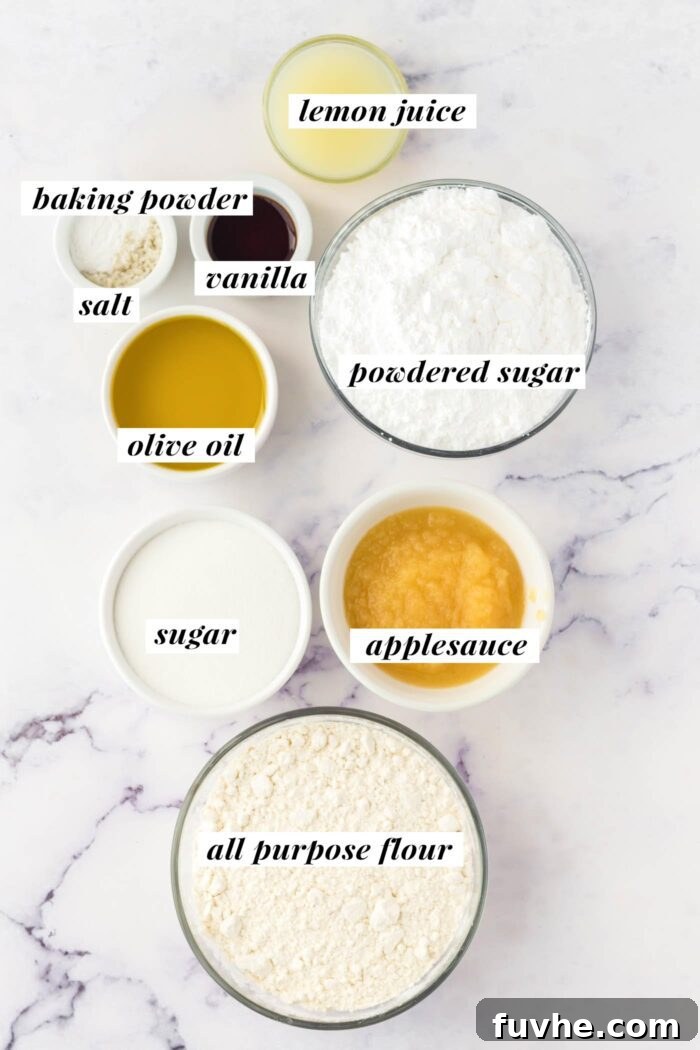
- All-Purpose Flour: This recipe is optimized for standard all-purpose flour, which provides the ideal structure and tenderness. While other flours might work, this specific recipe has not been extensively tested with gluten-free blends, whole wheat flour, or other alternatives. Substituting may alter the cake’s texture and density, so proceed with caution if experimenting.
- Sugar: Granulated white sugar is used here to achieve a classic sweetness and contribute to the cake’s tender crumb. You can use conventional table sugar, organic granulated sugar, or cane sugar. I have not personally tested this recipe with brown sugar, which could add a molasses note and potentially impact the final texture due to its higher moisture content.
- Unsweetened Applesauce: A brilliant vegan substitute for eggs and a source of moisture. It helps bind the ingredients and keeps the cake incredibly moist without adding extra fat. Since the recipe already includes ¾ cup of sugar, opting for unsweetened applesauce is highly recommended to maintain the intended sweetness level. If you use sweetened applesauce, be aware that your cake will be notably sweeter and have a higher sugar content. Smooth homemade applesauce can also be used effectively.
- Extra Virgin Olive Oil: The star of the show! The quality of your olive oil significantly impacts the flavor of the baked cake. I strongly recommend using a good quality, mild-flavored extra virgin olive oil. A robust, peppery olive oil might overpower the cake’s delicate balance, while a high-quality, fruity, or buttery EVOO will impart the best nuanced flavor.
- Vanilla Extract: Pure vanilla extract is always preferred for its rich, authentic flavor, which beautifully complements the subtle notes of olive oil. If pure vanilla extract is unavailable, artificial vanilla extract can be used as a suitable alternative.
- Baking Powder: Crucial for leavening, ensuring your cake rises beautifully and achieves its light, fluffy texture. Please double-check that you are using baking powder and not baking soda, as they react differently in recipes.
- Sea Salt: A touch of salt is essential to enhance all the other flavors in the cake and balance the sweetness. A good quality fine or coarse sea salt is recommended over regular table salt for a purer taste.
- Powdered Sugar (Icing Sugar): If you plan to create the delicate lemon glaze, powdered sugar is a must. Its fine texture dissolves smoothly, creating a silky finish.
- Lemon Juice (for Glaze): Freshly squeezed lemon juice brightens the glaze with a zesty, tart flavor, providing a wonderful contrast to the cake’s sweetness. For an even more pronounced citrus aroma, you can incorporate a small amount of lemon zest into the glaze and/or the cake batter. Orange juice and orange zest are excellent substitutes if you prefer an orange-flavored cake.
For a complete list of all ingredients, including precise measurements, please refer to the detailed recipe card located at the bottom of this page.
Exciting Variations & Creative Additions for Your Cake
This vegan olive oil cake is wonderfully versatile, serving as a perfect canvas for a myriad of flavor enhancements. Here are some fantastic ideas to customize your cake and explore new taste dimensions:
- Berry Olive Oil Cake: Infuse your cake with the vibrant taste of fresh berries! Gently fold up to 1 cup of fresh raspberries, blueberries, or chopped strawberries into the batter just before baking. For best results and to prevent excessive moisture, avoid using frozen berries, which can release too much water during baking. Raspberries, with their delightful tartness, are an especially fantastic choice.
- Vegan Orange Olive Oil Cake: Elevate the citrus notes by transforming this into an orange-flavored cake. Substitute the lemon juice and optional lemon zest in the glaze with fresh orange juice and orange zest. For an even deeper orange flavor in the cake itself, consider adding 1-2 teaspoons of finely grated orange zest directly into the cake batter.
- Lemon Rosemary Infusion: For a sophisticated herbaceous twist, add 1 tablespoon of finely chopped fresh rosemary and 1 teaspoon of lemon zest to the cake batter. The aromatic rosemary beautifully complements the bright lemon and the olive oil, creating a truly gourmet experience.
- Homemade Fruit Compote Topping: Instead of a traditional glaze, create a luscious berry compote. In a small pot, gently heat 1 pound of fresh or frozen strawberries or raspberries with 3 tablespoons of sugar and a squeeze of lemon juice. Simmer for 10-15 minutes, stirring occasionally, until the fruit breaks down and the mixture thickens into a juicy, flavorful topping. This adds a wonderfully fresh and vibrant element.
- Simple Powdered Sugar Dusting: If you prefer a lighter touch or want to forgo the glaze, simply dust the cooled cake generously with sifted powdered sugar. Use a fine mesh sieve for an elegant, even coating.
- Serve with Accompaniments: For a truly indulgent dessert, serve slices of un-iced cake with a dollop of vegan whipped cream, a scoop of your favorite vegan ice cream, or a medley of fresh seasonal fruits. These pairings add wonderful texture and flavor contrasts.
- Poppy Seed Delight: Add a delightful visual and textural element by gently mixing up to ½ cup of poppy seeds into the cake batter before baking. They provide a subtle crunch and a nutty undertone.
- Pistachio Garnish: For an exquisite finish and complementary flavor, sprinkle finely chopped pistachios over the wet glaze. The green of the pistachios offers a beautiful contrast against the white glaze, and their mild, nutty flavor pairs wonderfully with the cake.
- Almond Extract Boost: For a classic bakery flavor, add ½ to 1 teaspoon of almond extract along with the vanilla. It adds a subtle marzipan-like depth that is incredibly appealing.
- Spiced Cake: Incorporate warm spices like ½ teaspoon of ground cardamom or ¼ teaspoon of ground cinnamon into the dry ingredients for a cozy, aromatic version of this cake, especially delightful in cooler months.
Effortless Step-by-Step Baking Guide
Creating this delicious vegan olive oil cake is a straightforward and enjoyable process. Follow these simple steps for a perfect bake every time:
Step 0: Preparation is Key
Before you begin mixing, ensure your oven is preheated to 350°F (175°C). Prepare a 9-inch round cake pan or springform pan by lightly greasing its bottom and lining it with parchment paper. This crucial step prevents sticking and ensures easy removal. If you don’t have a round pan, an 8 or 9-inch square pan can also be used, though baking time might vary slightly.
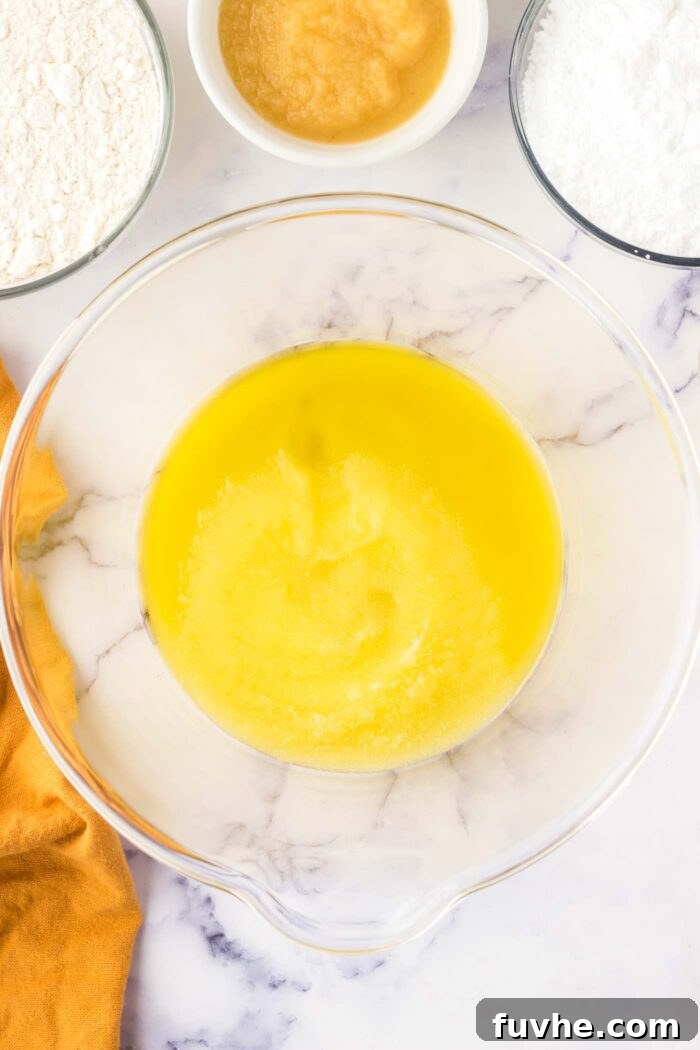
Step 1: Cream the Wet Ingredients
In a large mixing bowl, combine the olive oil and granulated sugar. Using a hand mixer, cream these two ingredients together until they are fully combined and achieve a slightly fluffy, aerated texture. This step is vital as it incorporates air into the mixture, which contributes to the cake’s delicate and light crumb. If you don’t have a hand mixer, an electric stand mixer with a paddle attachment works wonderfully, or you can vigorously whisk by hand with a sturdy fork or metal whisk.
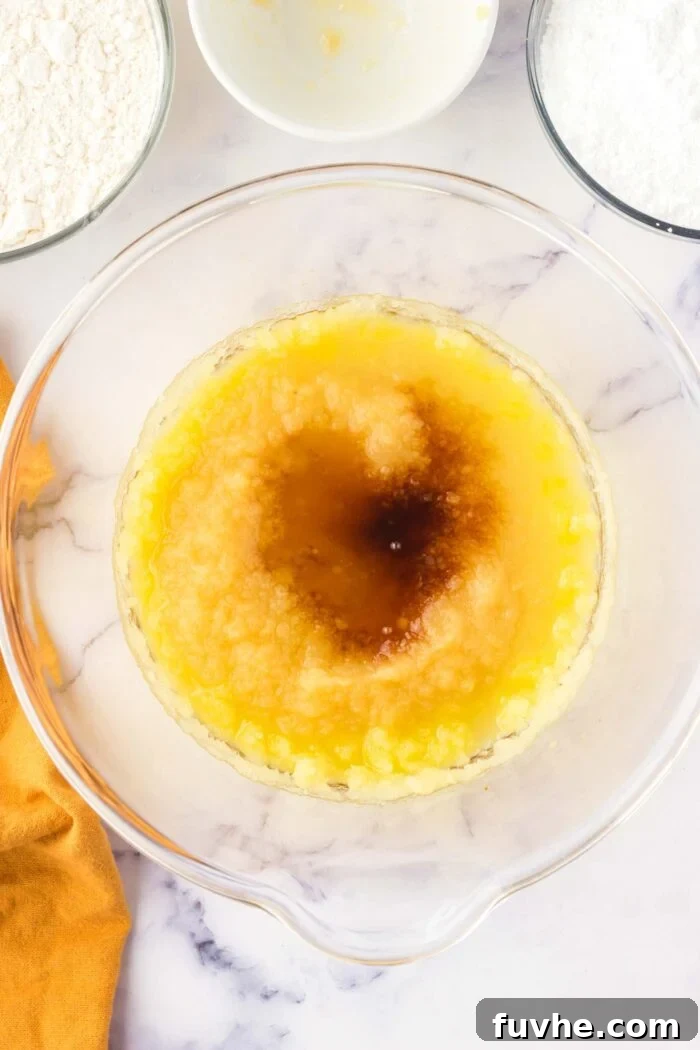
Step 2: Incorporate Liquid Components
Once your sugar and oil mixture is light and well-creamed, add the unsweetened applesauce and vanilla extract. Whisk these ingredients thoroughly until they are completely integrated into the mixture. This ensures an even distribution of moisture and flavor throughout the batter.
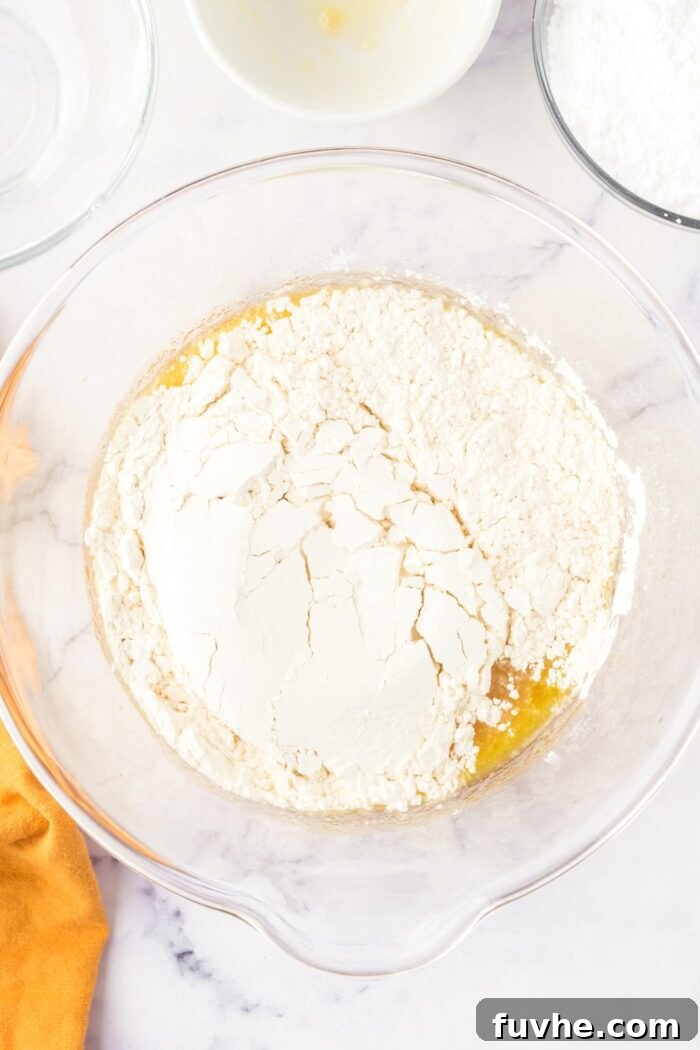
Step 3: Gently Fold in Dry Ingredients
Add the flour, salt, and baking powder to the wet mixture. Using a spatula or wooden spoon, gently fold all the ingredients together. Mix just until there are no visible dry clumps of flour remaining. The key here is to avoid overmixing the batter once the flour has been incorporated. Overmixing can develop the gluten in the flour too much, leading to a dense and tough cake rather than a light and tender one.
Step 4: Bake to Perfection
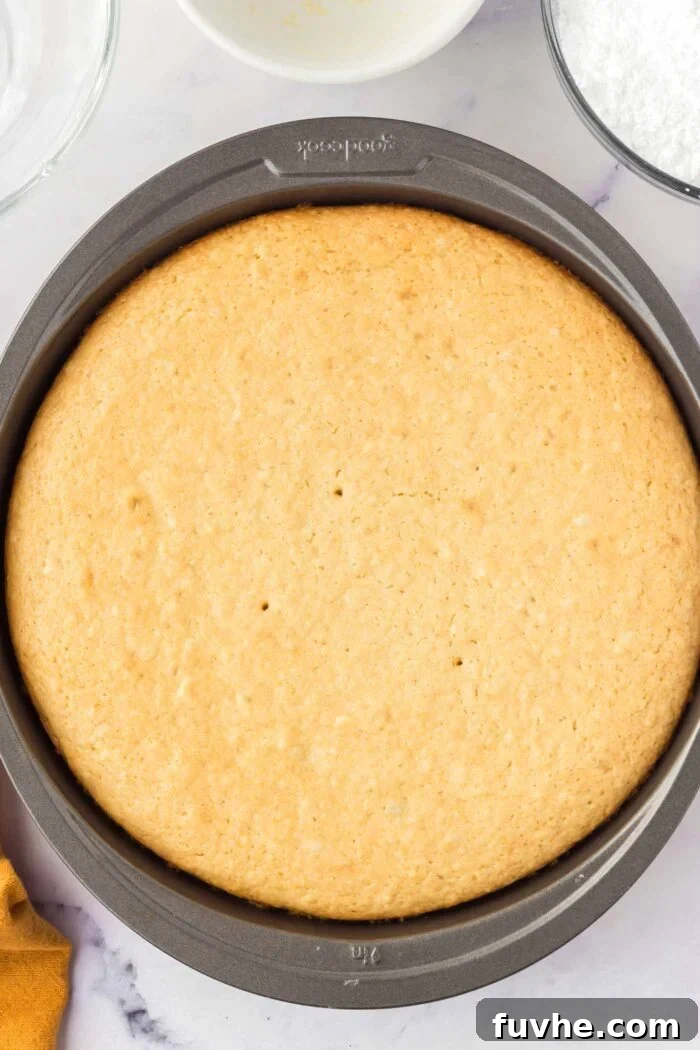
Carefully pour the prepared cake batter into your lined and greased pan. Transfer the pan to your preheated oven and bake for approximately 35 minutes. To check for doneness, insert a clean toothpick into the center of the cake; it should come out clean or with only a few moist crumbs attached. If wet batter is still present, bake for a few more minutes and test again. Once baked, allow the cake to cool in the pan for 10-15 minutes. This cooling period helps the cake firm up before handling. Then, carefully invert the cake onto your hand or a wire cooling rack, remove the parchment paper, and gently flip it back over onto a serving platter or cake stand to cool completely.
Step 5: Prepare the Optional Lemon Glaze
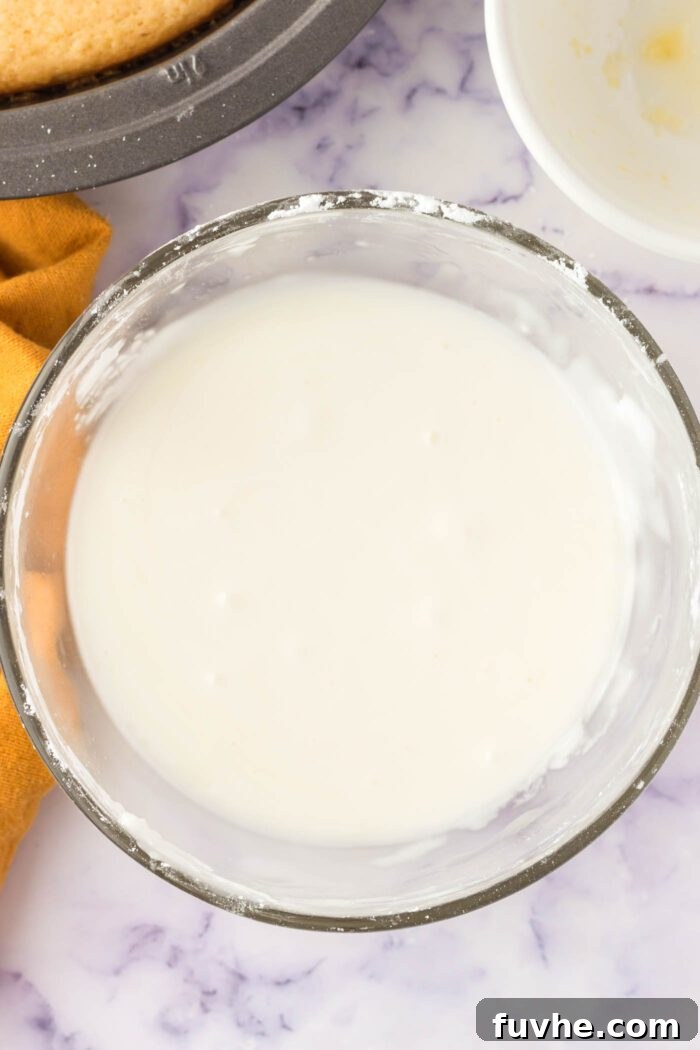
While the lemon glaze is optional, it adds a wonderful zesty finish. To make it, simply whisk together the powdered sugar and lemon juice in a small bowl until the mixture is completely smooth and free of lumps. For an extra boost of lemony flavor and aroma, you can incorporate up to 1 tablespoon of finely grated lemon zest into the glaze at this stage.
Step 6: Glaze and Serve
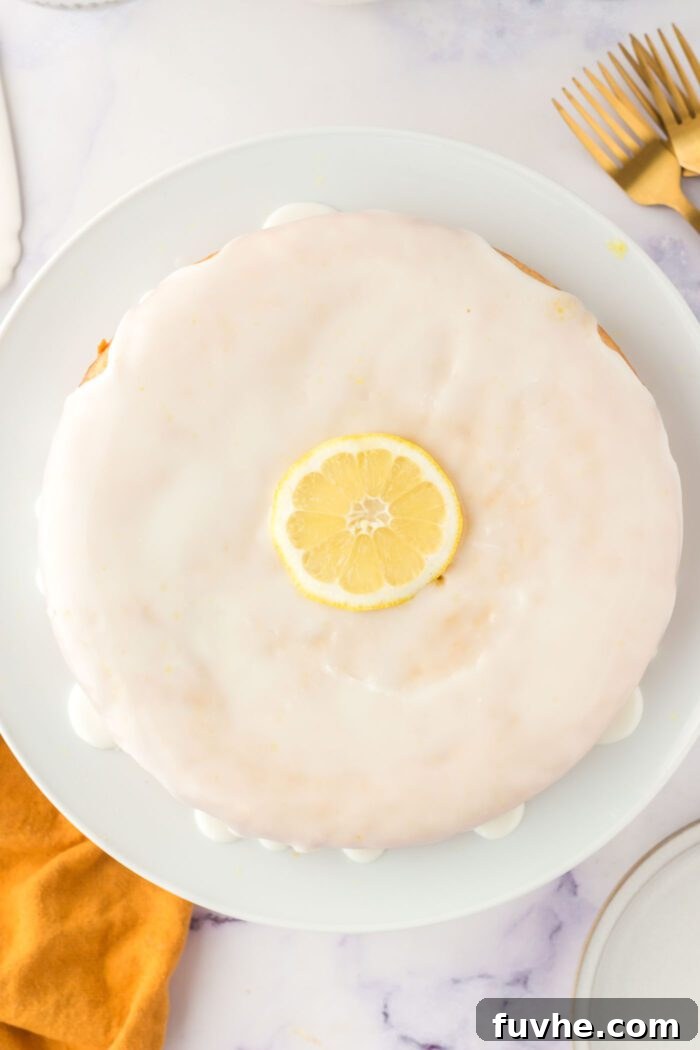
Once the cake has cooled, generously spoon the prepared glaze over the top. If needed, gently rotate the cake or use the back of a spoon to help spread the glaze evenly, allowing it to drip attractively down the sides. If you choose not to use the glaze, a simple alternative is to use a fine mesh sieve to elegantly dust the cooled cake with powdered sugar. Alternatively, the cake is truly delightful and can be served perfectly plain, allowing its natural flavors to shine through.
Frequently Asked Questions About Vegan Olive Oil Cake
A 9-inch springform pan is highly recommended for its ease of cake removal and beautiful presentation, especially with taller cakes. However, any standard 9-inch round cake pan will work perfectly well. For a more decorative touch, a Bundt pan could also be used, though baking times might need slight adjustment due to its different shape and depth. If a round pan isn’t available, an 8 or 9-inch square pan is a suitable alternative.
While you technically can substitute other neutral oils like vegetable oil or canola oil, it’s not highly recommended for *this* particular recipe. The unique, subtle, and often fruity or peppery notes of a good quality olive oil are integral to the signature flavor profile of an olive oil cake. Using a different oil will yield a moist cake, but it will lack the distinctive depth and character that makes this specific recipe so special.
To maintain its optimal moisture and flavor, allow the cake to cool completely before storing. Place it in an airtight container at room temperature, where it will stay wonderfully fresh for 3-4 days. For extended freshness, you can store it in the refrigerator for up to 1 week. The olive oil helps keep it moist, even when chilled.
While you technically can freeze the baked cake, it’s generally not recommended for optimal texture. Freezing and thawing can cause the cake’s texture to become slightly dense or crumbly upon defrosting. If you must freeze it, wrap it tightly in plastic wrap and then aluminum foil, and thaw slowly in the refrigerator before serving.
This recipe has been developed and tested with all-purpose flour. While it might be possible to adapt it using a 1:1 gluten-free baking flour blend, the results regarding texture and rise cannot be guaranteed without specific testing. Gluten-free flours often absorb liquids differently and may require additional adjustments. If you attempt a gluten-free version, choose a blend specifically formulated for baking cakes and consider adding a binder like xanthan gum if it’s not already in your blend.
This cake is incredibly versatile. It’s fantastic served simply dusted with powdered sugar, or with the bright lemon glaze as instructed. For a more elaborate dessert, pair it with fresh berries, a dollop of vegan whipped cream, or a scoop of vegan vanilla ice cream. It’s equally delicious at room temperature or slightly chilled, making it suitable for any season.
Expert Baking Tips for a Flawless Vegan Olive Oil Cake
Achieving a perfectly moist and flavorful vegan olive oil cake is simple with a few key baking techniques. Keep these tips in mind to ensure your cake turns out beautifully every time:
- Embrace Room Temperature Ingredients: For the best results, allow all your liquid ingredients, especially the applesauce and olive oil, to come to room temperature before mixing. This significantly aids in proper emulsion, allowing the ingredients to blend more smoothly and evenly. A well-emulsified batter bakes more uniformly, resulting in a tender and consistent crumb.
- Utilize a Kitchen Scale for Precision: Baking is a science, and accuracy is paramount. Using a kitchen scale to measure your ingredients by weight (especially flour) is the best way to ensure consistent success. Volume measurements (cups) can vary greatly depending on how ingredients are packed. With a scale, you can measure ingredients directly into your mixing bowl, minimizing cleanup and maximizing accuracy.
- Prevent Over-Mixing the Batter: Once the dry ingredients (flour, baking powder, salt) are added to the wet mixture, mix only until they are just combined and no streaks of dry flour remain. Overmixing develops the gluten in the flour, which can lead to a dense, heavy, and chewy cake texture instead of the desired light and tender crumb. Stop mixing as soon as the batter looks uniform.
- Resist Opening the Oven Door During Baking: It can be tempting to peek, but frequently opening the oven door allows heat to escape and causes a sudden drop in temperature. This fluctuation can disrupt the cake’s delicate rising process, potentially causing it to sink in the center or bake unevenly. Wait until at least two-thirds of the baking time has passed before checking, if necessary.
- Ensure Proper Pan Preparation: To guarantee your cake releases easily and flawlessly, always line your cake pan with parchment paper. For extra insurance, lightly grease the bottom and sides of the pan with oil or a non-stick cooking spray before placing the parchment paper. This helps the parchment adhere smoothly and adds an additional layer of protection against sticking.
- Master the Art of Zesting: If your recipe calls for lemon or orange zest, use a microplane or fine grater to remove only the outermost colored peel. It’s crucial to avoid grating into the white pith directly underneath the zest. The pith is very bitter and can impart an undesirable flavor to your cake or glaze, so always zest gently and carefully.
- Test for Doneness Accurately: Don’t rely solely on the suggested baking time. Ovens vary, and the only reliable way to know if your cake is done is to insert a toothpick into the center. It should come out clean or with a few moist crumbs attached. If it’s still wet, continue baking in short intervals. An underbaked cake can be gummy, while an overbaked one will be dry.
- Allow for Adequate Cooling: Resist the urge to slice into your cake immediately after removing it from the oven. Cakes need time to set and cool in the pan for 10-15 minutes before being inverted onto a wire rack. This allows the structure to stabilize and prevents it from breaking apart. Cooling completely on a wire rack is essential before applying any glaze or frosting.


Vegan Olive Oil Cake
Pin Recipe
Rate Recipe
Print Recipe
Ingredients
For the Olive Oil Cake
- 2 cups all-purpose flour, 260 g
- ½ cup unsweetened applesauce, 118 g
- ¾ cup white granulated sugar, 150 g
- ½ cup extra virgin olive oil, 118 g
- 1 tsp vanilla extract
- 2 tsp baking powder
- 1 tsp sea salt
For the Glaze (Optional)
- 1 ½ cups powdered sugar, 287 g
- ¼ cup lemon juice, 59 g
Instructions
-
Preheat your oven to 350 degrees Fahrenheit (175°C). Lightly grease or spray the bottom of a 9-inch cake pan with non-stick cooking spray, then line it with parchment paper. A springform pan is also an excellent choice for easy release. If you don’t have a round pan, an 8 or 9-inch square pan can be used as an alternative.
-
In a large mixing bowl, use a hand mixer to combine the granulated sugar and extra virgin olive oil until the mixture is homogenous and appears slightly fluffy. If a hand-mixer is unavailable, a sturdy fork or metal whisk can be used to vigorously mix and achieve a similar creamy consistency.
-
Whisk in the unsweetened applesauce and vanilla extract until these liquid ingredients are fully incorporated into the sugar and oil mixture, ensuring a smooth and consistent base.
-
Gently fold in the all-purpose flour, sea salt, and baking powder. Continue to fold just until there are no dry clumps of flour remaining in the batter. It is crucial to stop mixing as soon as the dry ingredients are incorporated to prevent overdeveloping the gluten, which can lead to a tough cake.
-
Pour the prepared cake batter into your lined and greased cake pan. Bake for 35 minutes, or until a wooden toothpick inserted into the center of the cake comes out clean. Allow the cake to cool in the pan for 10-15 minutes before carefully inverting it onto your hand or a wire cooling rack. Remove the parchment paper, then flip the cake back over and place it on a serving platter or cake stand to cool completely.
-
If making the optional lemon glaze, whisk together the powdered sugar and lemon juice in a small bowl until completely smooth and runny. Once the cake has cooled, spoon the glaze evenly over the top, allowing it to drip attractively down the sides. Slice, serve, and enjoy your delicious vegan olive oil cake!
Notes
- You can store this cake in an airtight container at room temperature for up to one week, or in the fridge for a slightly longer period. After about a week, its moisture content may diminish, causing it to become a bit dry. I strongly advise against freezing this cake, as the freezing and thawing process can significantly alter its delicate texture, making it less enjoyable.
- For an extra burst of vibrant lemony flavor, feel free to add up to 1 tablespoon of finely grated lemon zest to the glaze. Additionally, 1-2 teaspoons of lemon zest or orange zest can be incorporated directly into the cake batter itself for a deeper citrus aroma. When zesting, always ensure you only remove the outermost colored peel and avoid the bitter white pith.
- The lemon glaze is entirely optional. As a simple and elegant alternative, you can dust the top of the cooled cake with sifted powdered sugar. The cake is also wonderfully delicious served plain, perhaps alongside fresh berries or other seasonal fruits, a dollop of vegan whipped cream, or a scoop of your favorite vegan ice cream.
- Nutrition facts include the glaze. Without the glaze, each slice of cake is approximately 317 calories, containing 14g Fat, 45g Carbohydrates, and 3g Protein. This offers a slightly lighter option while still delivering incredible flavor.